
Minimize Costs in Distribution Operations with Route Optimization
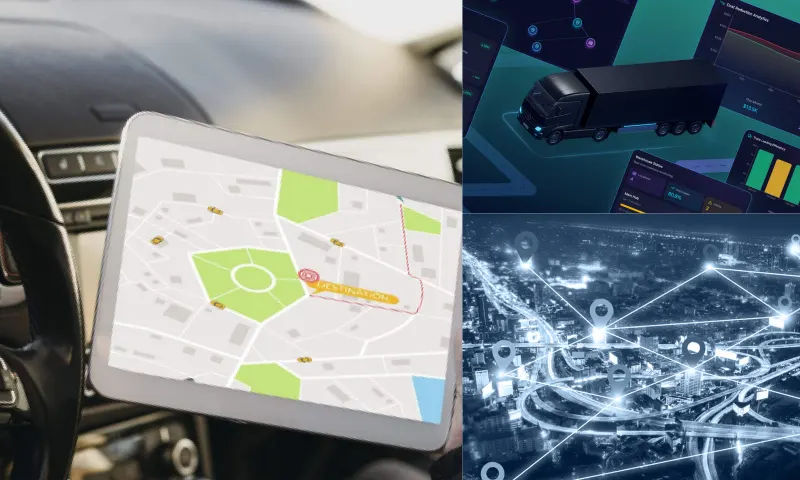
Route optimization is a modern logistics engineering method that uses artificial intelligence-based algorithms to minimize mileage costs, fuel consumption, and labor losses in shipping and field operations. This system, which transfers shipment processes to a fully digital decision-making mechanism, free from human error, sequences delivery points in the most logical mathematical order. Companies that can keep their shipping costs under control in today's market dynamics gain operational agility while also achieving a clear cost advantage over their competitors in market competition. For information on this subject and to ask your questions, you can check the relevant online companies on the internet pages and review them in detail from here.
The Role of Route Optimization Technologies in Highly Restricted Distribution Networks
Unlike ordinary navigation applications, route optimization software simultaneously calculates real-time traffic conditions on the field, vehicle carrying capacities, customer delivery time windows, and driver shift constraints. This intelligent decision engine, which completes the task distribution of dozens of vehicles managed from a single center in milliseconds, completely prevents vehicles from making empty mileage or setting out below their capacity. Thanks to the work orders dynamically transmitted to the field drivers' handheld terminals, order cancellations or new delivery requests that occur during the day are instantly integrated into the existing plan without causing business interruption. This holistic management discipline increases the operational flexibility of shipment units while also maximizing the success rate of deliveries completed on the same day.
Green Logistics and Carbon Savings with Route Optimization Reporting
Historical field performance data collected through the route optimization infrastructure allows you to analyze deviations between planned routes and actually executed routes on the field with clear graphs. This analytical structure, which transforms drivers' driving habits, idling times, and stop-based delays into measurable KPI criteria, supports logistics management in making error-free future budget plans. By eliminating unnecessarily covered distances, this software infrastructure directly reduces fuel consumption, thus enabling companies to reduce their carbon dioxide emissions and fully comply with global environmental standards and the vision of green logistics. Every visionary organization that wants to restructure its commercial vehicle operations around efficiency, speed, and digitalization should make this intelligent route engineering an integral part of its distribution network.