
What is Sleep Apnea?
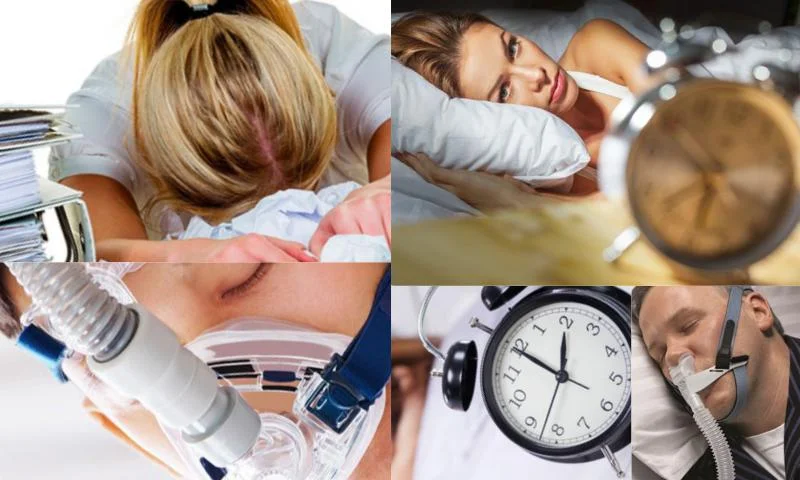
Breathing cessation during sleep is a serious condition. This condition, called sleep apnea, is a common condition seen in 5-7% of our country's population. Not every breathing cessation during sleep may be sleep apnea. Some tests need to be performed to diagnose it.
What are the Types of Sleep Apnea?

Sleep apnea is suspected if breathing stops for at least ten seconds during sleep. The symptoms of the disease, which has different types, vary according to the type of apnea. There are three types of apnea: Obstructive, Central, and Mixed Sleep Apnea. Obstructive sleep apnea is caused by a blockage in the upper respiratory tract. The most common type of apnea is obstructive apnea. Central sleep apnea is related to the brain. It occurs because the brain does not send appropriate signals to the respiratory muscles. Mixed sleep apnea is a type where obstructive and central apneas are seen together.
What are the Symptoms of Sleep Apnea?
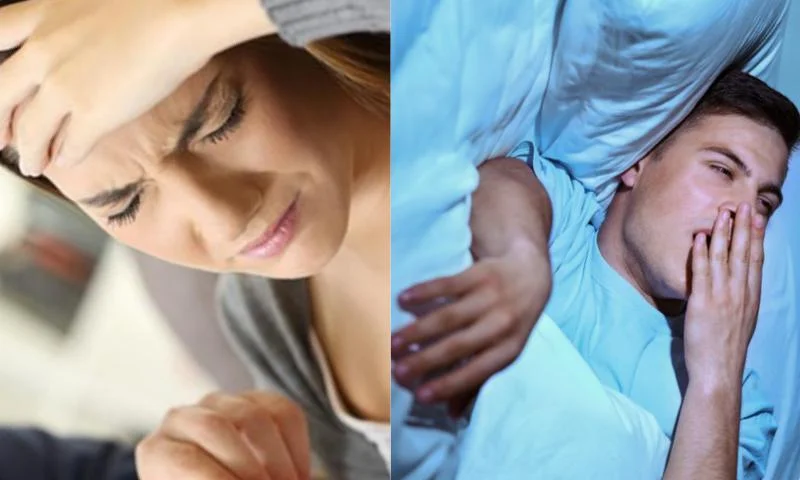
Loud snoring, cessation of breathing during sleep, sudden awakening from sleep, dry mouth and sore throat in the morning, headache, depressive mood, attention problems, and irritability are symptoms of sleep apnea. Overweight is the leading cause of sleep apnea. In addition, a thick neck, being male, alcohol and smoking use, nasal congestion, and genetic factors are the causes of obstructive sleep apnea. Causes of central sleep apnea are problems related to the brain. Encephalitis, cerebral palsy, brainstem problems, and heart diseases cause central sleep apnea. The diagnosis of the disease is made after a series of tests. A preliminary diagnosis is made with an ear, nose, and throat examination after listening to the patient's history. For a more detailed evaluation, the patient is admitted to the sleep center. The definitive diagnosis is made by performing a polysomnography test. This test determines the number and duration of breathing cessations. You can visit the relevant online sites on web pages for detailed information on the subject.