
What is a Whipple Procedure?

The Whipple procedure is preferred for the treatment of cancers that form in the pancreas, bile duct, and duodenum. It is also used to remove any benign tumors located in this area. Since these organs are adjacent to each other, the entire region is affected when surgery is performed. Therefore, they are considered together. To get information on this topic and ask your questions, you can look at relevant online companies on the internet and examine them in detail.
What Cancers is the Whipple Procedure Used to Treat?
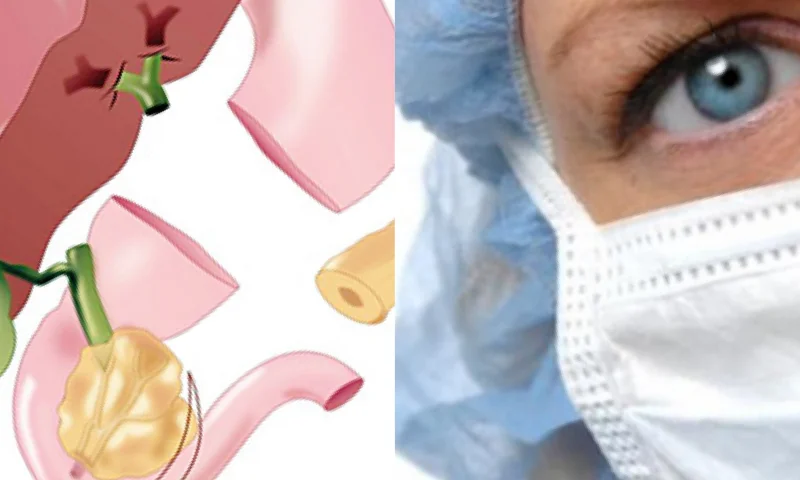
Cancer surgeries are extremely important surgeries. Because advanced stages of cancer can be fatal, early diagnosis and the correct treatment are important to recover from these diseases. This surgery is preferred for pancreatic cancers. Cancer cells are generally seen in the head of the pancreas. The Whipple procedure is a surgically difficult operation. This is because it may be necessary to remove a part of the duodenum, a part of the stomach, a part of the small intestine, a part of the pancreas, a part of the bile duct, the gallbladder, and the lymph nodes around the pancreas. If the cancer has spread to surrounding vessels and is very advanced, surgery may not be sufficient, and chemotherapy is preferred.
How Long Does a Whipple Procedure Take and What is the Post-Operative Period?
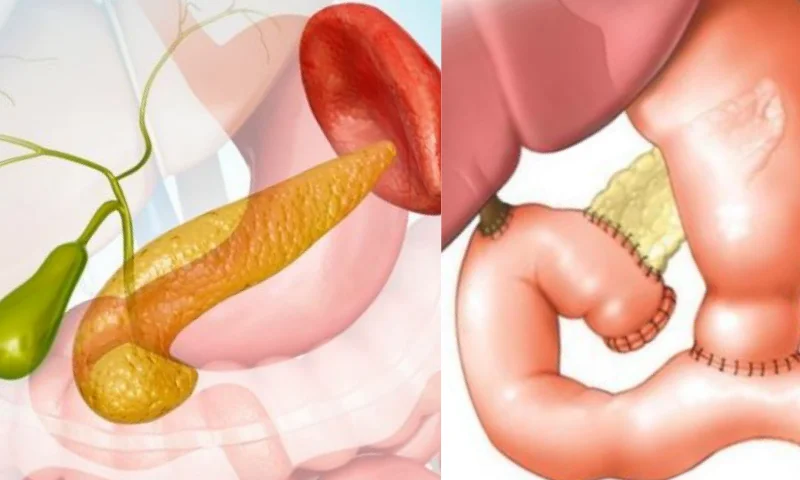
The surgery can take 5 to 8 hours. It varies depending on the condition of the disease. After the surgery, the patient may stay in the hospital for about one week to 10 days. It is important to prevent complications such as blood clots or bile-related issues. Therefore, the patient remains under observation for a period. If no complications arise, the patient may be discharged home to rest after the necessary tests and examinations. Nutrition must be carefully managed after the surgery.