How Does a Lock Nut Work?
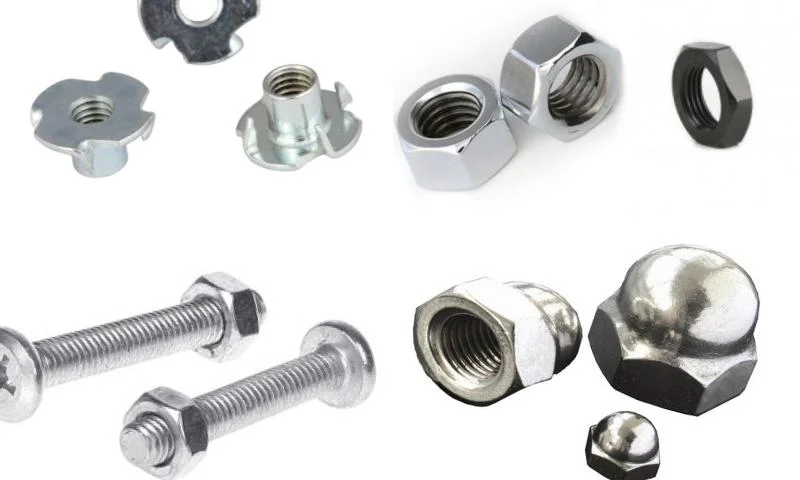
The creation of lock nuts fitted to the end of a bolt prevents the product from loosening due to the bolt. Under dynamic loads, it is possible for the nuts to move along with the bolt. This can cause the tightened nut to loosen. Lock nuts are highly effective in preventing these types of problems. Products that can be described as securing the nut with a new nut to prevent it from coming undone in its fastened area are highly functional. In areas where tightening and stability are important, options chosen for high-precision operations involve a second nut that is threaded in the opposite direction of the first nut. When the secondary nut is turned in the direction that the normal nut would loosen, it jams. For this reason, the product is called a lock nut.
Lock Nuts with Anti-Loosening Properties
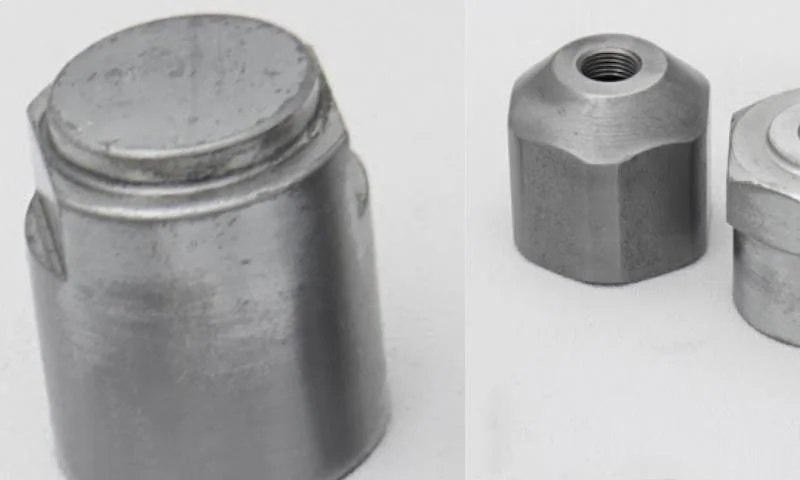
Fasteners that are vibration-resistant and self-locking are used in various industrial sectors. The small but very effective lock nut has anti-loosening properties. Products designed with a right-hand thread and a special left-hand thread on them combine on the bolt, allowing loosening to be prevented. In a lock nut, the standard nut on the bolt turns to the right. The nut, designed with a special left-hand thread, is mounted as the lock nut. Options that are very affordable can be found on the websites of relevant online companies.
Lock Nuts That Save in Every Aspect
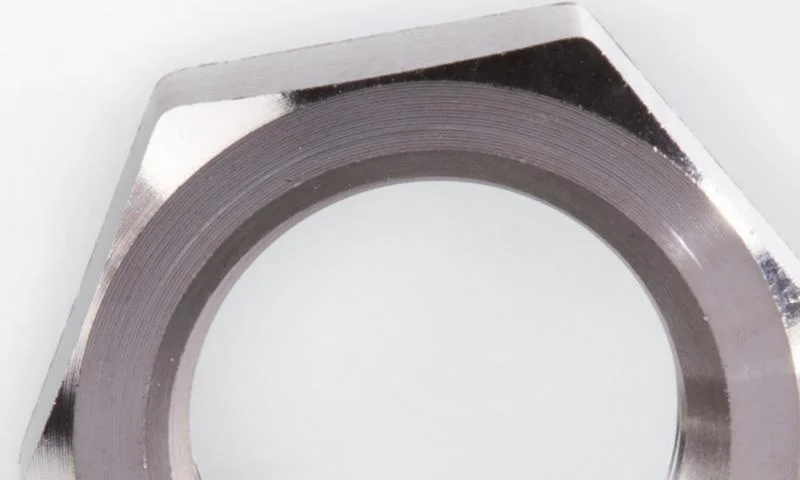
By using nuts with locking features today, it is possible to save money by preventing larger problems that may arise in the future. These precise and robust products completely eliminate any possibility of loosening. The products are tested according to specific standards before they are released to the market. Corporate firms can send these test certificates to requesting companies. The products, which have an infinite lifespan and are made of stainless steel, maintain their original properties for many years and are preferred. Products that are extremely advantageous in terms of material quality can be produced in different sizes.