Things to Consider During Every Cleaning
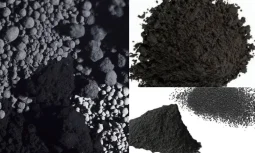
Commercial kitchen chimneys accumulate grease over time, which then traps dirt. When these layers of grease and dirt block the fans, it causes malfunctions in their operating system. This leads to the blockage of ventilation ducts, resulting in problems within the kitchen, including the recirculation of odors. In ovens, the accumulation of soot from burning wood also hinders chimney usage in the same way. Chimneys that cannot achieve proper air circulation develop waste matter, making regular chimney cleaning essential.
You Should Know the Cleaning Processes Applied to Chimneys
Each chimney has its own cleaning method. Cleaning is performed for greasy chimneys, sooty chimneys, central system chimneys, natural gas and combi chimneys, fireplace chimneys, and also for associated boilers and range hoods. For greasy ducts, chimney cleaning starts from the range hood and involves removing hardened grease layers through chemical and mechanical methods. The cleaning begins from the connection points and extends to the motor assembly, with fan ducts being opened to allow smoke to vent outside. Cleaning soot in ovens involves removing light soot residues adhered to the chimney. Chimney cleaning should be performed within appropriate intervals, determined by evaluating the usage areas. In the food industry, the use of fuel materials for cooktops and ovens doubles the rate of fouling. This is also true for soot and residential areas. In such places, keeping a chimney report is mandatory.