What is PRP Treatment and How Does It Work?
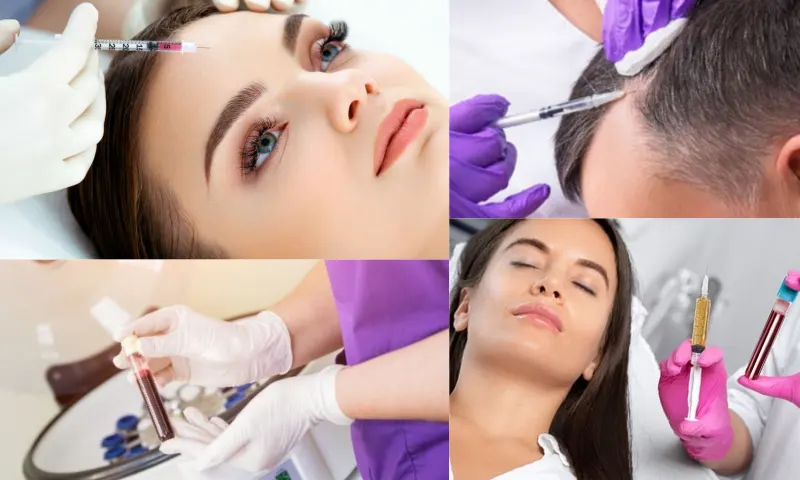
PRP (Platelet Rich Plasma) treatment is a method used for skin regeneration and healing, obtained from the patient's own blood. This method involves injecting plasma rich in platelets, separated from the patient's own blood, under the skin. Platelets contain growth factors that support the healing and regeneration processes in the body. The basic principle of PRP treatment is to provide restorative effects in damaged areas of the skin with these growth factors. The procedure typically involves a series of steps: first, a small blood sample is taken from the patient, then this blood is centrifuged, and the platelet-rich plasma is separated. The obtained PRP is injected into the problem areas of the skin to initiate the skin regeneration and healing process. For information on this subject and to ask your questions, you can look at the relevant online firms on the internet pages and examine them in detail from here.
Benefits of PRP Treatment on the Skin
PRP treatment has many benefits for the skin. Firstly, it makes the skin look younger and healthier. The growth factors contained in platelets stimulate collagen production, which helps the skin to tighten and increase its elasticity. PRP treatment can reduce the appearance of fine lines and wrinkles, and improve the overall tone and texture of the skin. In addition, PRP can lighten the appearance of skin spots and pigmentation problems. It can also be effective in treating scars and acne scars, as it can reduce their appearance by accelerating healing processes. PRP treatment may require several sessions, and results can vary from person to person, but most people observe significant improvements.
Safety and Side Effects of PRP Treatment
PRP treatment is generally considered a safe procedure because the treatment is entirely done using plasma obtained from the person's own blood, thus minimizing the risk of allergic reactions. However, like any medical procedure, PRP treatment can have some potential side effects. Temporary side effects such as mild swelling, redness, or pain may occur after the procedure. In rare cases, there may be a risk of infection or skin reactions. Proper care before and after the procedure can help reduce side effects. Furthermore, the choice of clinic and specialist performing the PRP treatment is quite important; having it done by experienced and expert individuals ensures safe and effective results. In general, PRP treatment should be performed considering personal health and skin condition, and requires a professional consultation process. PRP treatment on the skin stands out as an effective method for skin regeneration and healing. The growth factors contained in platelet-rich plasma can reduce the signs of aging in the skin and improve its overall appearance. The safety of the procedure, potential side effects, and general effects are important factors to consider before and after the treatment.