Reflux Disease: Symptoms, Causes, and Treatment
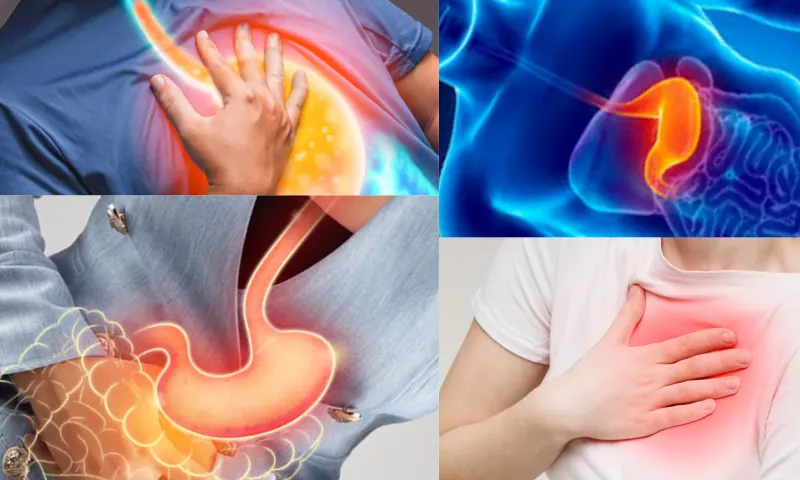
Reflux disease is a digestive system problem that occurs when stomach contents flow back into the esophagus. This condition can manifest with symptoms such as a burning sensation in the esophagus, heartburn, and even the return of stomach contents to the mouth. In people with reflux disease, these symptoms can occur intermittently and negatively affect their quality of life. For information on this subject and to ask questions you are curious about, you can look at the relevant online companies on internet pages and examine them in detail from here.
Causes and Risk Factors of Reflux Disease
The main cause of reflux disease is the weakening or relaxation of the lower esophageal sphincter. This can cause stomach contents to flow back into the esophagus and lead to reflux symptoms. Risk factors for reflux disease may include factors such as excess weight, pregnancy, overeating, eating while lying down, alcohol consumption, and smoking. Additionally, certain foods and beverages (e.g., spicy foods, caffeine, acidic drinks) are known to exacerbate reflux symptoms.
Treatment and Importance of Reflux Disease
The treatment of reflux disease is generally carried out with lifestyle changes, dietary adjustments, and medications. It is important for patients with reflux to elevate their heads while lying down, eat small and frequent meals, and avoid acidic and spicy foods. In addition, medications prescribed by a doctor (antacids, proton pump inhibitors) can also help alleviate symptoms. In severe cases, surgical intervention may be necessary. If left untreated, reflux disease can lead to serious complications, so early diagnosis and treatment are important. The severity and frequency of symptoms can vary for each patient, so a personalized treatment plan should be established. It is important for individuals with reflux disease to stay in regular contact with their doctors and monitor their symptoms. In this way, the effects of reflux disease can be minimized, and the quality of life can be improved.