
Pregnancy Monitoring: Important Steps for Maternal and Fetal Health
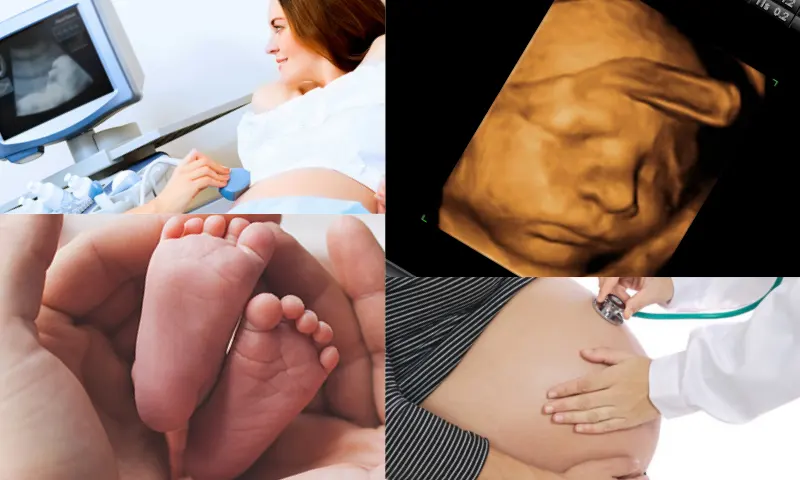
Pregnancy monitoring encompasses regular check-ups to protect the health of the mother and baby and to track their development. This monitoring process continues from the beginning of the pregnancy until birth and is vital for the health of the expectant mother and baby. The primary goal of pregnancy monitoring is to protect the health of the expectant mother and baby and to track their development. During the monitoring process, the expectant mother's general health status, the baby's growth and development, pregnancy complications, and risk factors are evaluated. This allows potential problems to be detected and treated early, enabling the pregnancy to proceed more safely.
Pregnancy Monitoring Process and Content
The pregnancy monitoring process usually begins with regular doctor's appointments. The first visit typically occurs between the 8th and 12th weeks of pregnancy, and includes procedures such as pregnancy tests and ultrasound examinations. During the monitoring process, routine tests such as the expectant mother's blood pressure, weight gain, and urine analysis are performed, and the baby's growth and heart rate are monitored. As the pregnancy progresses, the frequency of monitoring increases, becoming more frequent as the due date approaches.
Pregnancy Monitoring Results and Recommendations
Based on the results of pregnancy monitoring, recommendations may be made to the expectant mother. For example, if a condition such as gestational diabetes is detected, diet and exercise recommendations may be provided. Additionally, vitamin and mineral supplements such as folic acid and iron may be recommended during pregnancy. During the monitoring process, the expectant mother's lifestyle and dietary habits are also evaluated, necessary recommendations are made, and she is supported to have a healthy pregnancy.