How is Varicose Vein Treatment Performed?
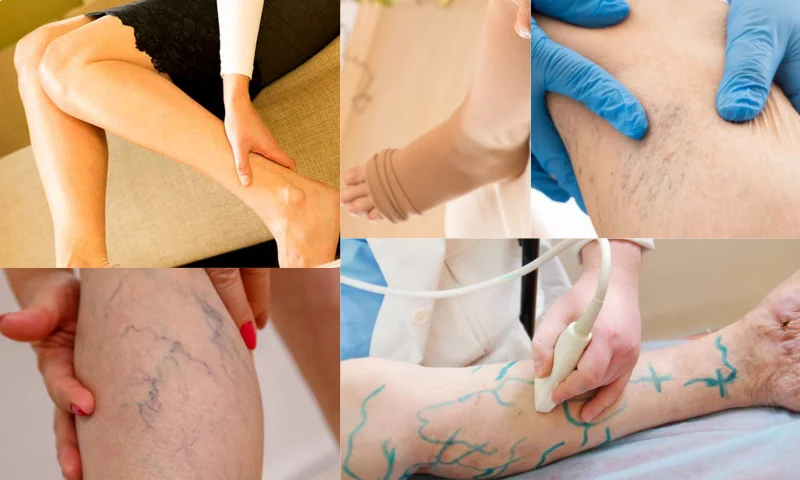
What Treatment Methods Are Applied for Varicose Veins?
There are several treatment methods for varicose veins, depending on the patient's condition. Varicose veins are classified into 3 main types: spider veins, reticular veins, and varicose veins (saphenous veins). These veins, which are located close to the skin's surface in the legs, can cause pain, blue-purple swelling, numbness, and itching when they dilate and become visible. This condition can be treated simply and safely with non-surgical methods. Regular exercise helps prevent the formation of varicose veins. You can visit the web address for more information about varicose vein treatment.
What to Do After Varicose Vein Treatment
The treatment method for varicose veins is decided based on the extent of the varicose veins. One of the methods used to treat veins thicker than 1mm is sclerotherapy (injection treatment). With the help of fine needles, a solution is injected into the damaged veins, causing them to adhere. Once the veins adhere, blood flow stops, and the varicose veins gradually disappear. Another treatment method, effective for spider veins, is the laser treatment. The area is numbed before the procedure. Then, laser light is directed at the veins with a laser device, causing the veins to die and close. No needles or incisions are used during this procedure. You can be discharged and go home immediately after varicose vein treatment. It is necessary to wear compression stockings between morning and evening for 1 week. Wearing compression stockings at night is not required. Keeping your legs elevated and taking the medication prescribed by your doctor regularly will help alleviate pain. For 1 week, the patient should walk at a moderate pace every day. The patient should avoid activities that require strenuous exercise as much as possible.