
Definition and Causes of Psoriasis
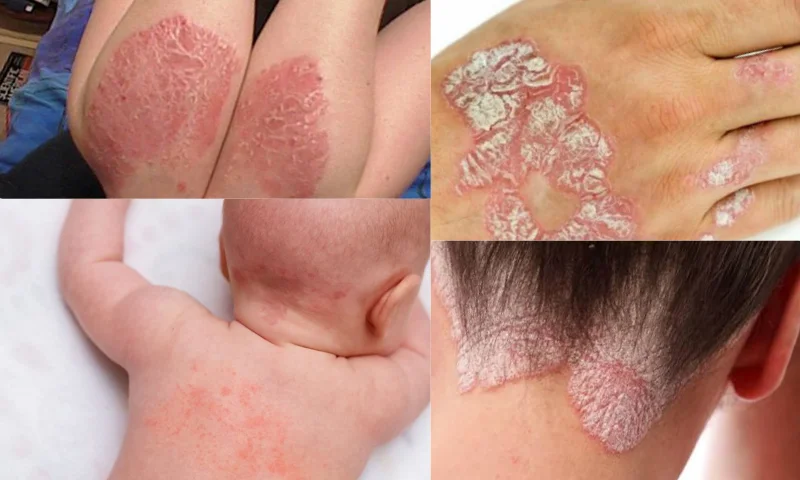
Psoriasis is a chronic skin disease characterized by symptoms such as redness, scaling, itching, and inflammation of the skin. Psoriasis is an autoimmune disease that results from the immune system attacking the skin cells. Normally, skin cells regenerate at a specific rate, but in people suffering from psoriasis, these cells are produced rapidly and accumulate on the surface, appearing as scales. Although the exact cause of psoriasis is not fully known, it is thought that many factors such as genetic predisposition, immune system problems, stress, and environmental factors play a role in the development of the disease. Additionally, some infections, such as streptococcal infections, are considered triggers for psoriasis. For information on this subject and to ask your questions, you can look at the relevant online firms on the internet pages and review them in detail from here.
Symptoms and Treatment of Psoriasis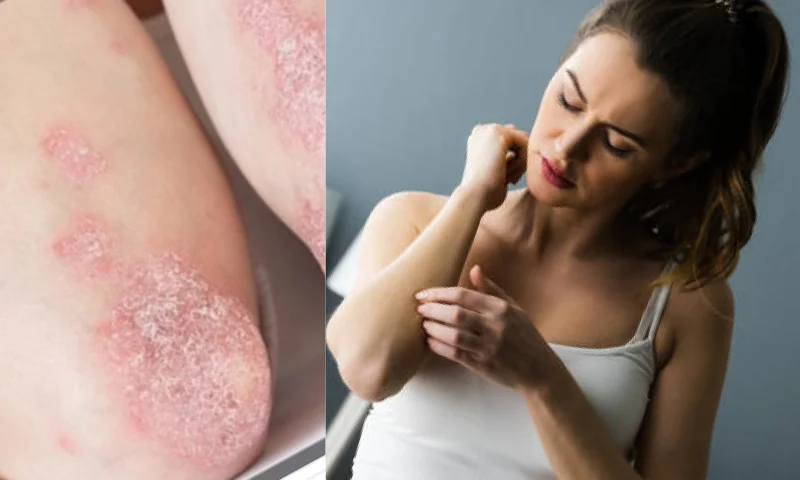
Psoriasis is characterized by red patches and silvery-white scales on the skin. These lesions are usually seen on the elbows, knees, scalp, hands, and feet, but can appear on any part of the body. Additionally, psoriasis can cause nail pitting, thickening, and crumbling in some people. There is no definitive cure for psoriasis, but many treatment methods are available to control the symptoms. Topical creams and lotions, phototherapy (light therapy), systemic medications, and immunosuppressants are among the methods used in the treatment of psoriasis. The treatment plan is determined according to the severity of the disease, the patient's age, and health status.
Lifestyle and Supportive Treatment Methods in Psoriasis
For the treatment of psoriasis, lifestyle changes and supportive treatment methods are also important. Since stress is known to have a negative impact on psoriasis, avoiding stress and applying stress management techniques can help alleviate symptoms. Additionally, regular exercise and a balanced diet contribute to strengthening the immune system. Furthermore, skin care is also important in controlling psoriasis. Moisturizing creams and lotions help alleviate symptoms such as itching and scaling. Additionally, using softening oils during bathing to prevent the skin from drying out excessively can also be beneficial. In conclusion, psoriasis is a chronic skin disease characterized by symptoms such as redness, scaling, and itching of the skin. Although the exact cause of the disease is not fully known, genetic predisposition, immune system problems, and environmental factors play a role in its development. Psoriasis treatment uses various methods to control symptoms, and lifestyle changes also play an important role in managing the disease. With supportive treatment methods, it is possible to improve the quality of life for individuals suffering from psoriasis and alleviate their symptoms.