
Basic Principles of Introducing Solid Foods to Babies

The introduction of solid foods to babies usually begins around the sixth month. The feeding process, which starts with breast milk or infant formula, becomes more varied with the addition of solid foods. There are fundamental principles to consider during this process. First, solid foods should be introduced after the baby has developed head, neck, and sitting control. Second, it is important to observe for allergic reactions by monitoring a single new food for several days. Also, starting with small portions and gradually increasing the amounts will help your baby adapt to the digestive system. You can look at relevant online companies on internet pages to get information on this topic and ask your questions, and review them in detail from here.
First Solid Foods for Babies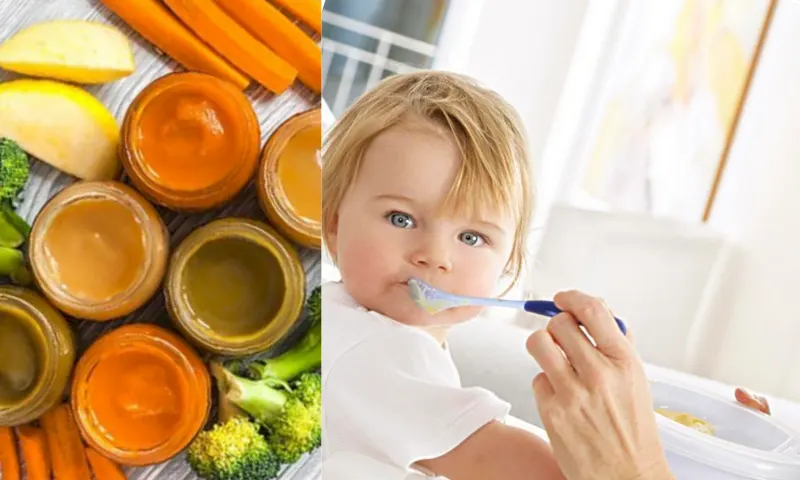
When starting to give solid food to your baby, the first choice should generally be single-component cereals such as rice porridge or oatmeal. These cereals help babies’ digestive systems adapt easily. Later, it may be appropriate to add other nutrients such as vegetable purees (e.g., carrots or sweet potatoes), fruit purees (e.g., pears or apples), and egg yolk. When transitioning to a new food, giving each type of food alone to your baby for a few days is important in identifying allergies or sensitivities.
Right Timing for Solid Foods in Babies
The transition to solid foods should begin when the baby is ready. Babies often show signs of readiness for solid foods around the sixth month. These signs include being able to hold their head up, the ability to sit, the swallowing reflex, and interest in foods they are offered. Considering these signs, parents should start with solid foods when they feel their baby is ready. This will help babies develop healthy eating habits and grow. The introduction of solid foods to babies is important both for contributing to their healthy development and for introducing them to various nutrients. Planning this process with an approach based on the baby's individual needs and readiness is important for a healthy and enjoyable start. The transition to solid foods for babies is important for both contributing to their healthy development and introducing them to various nutrients. Planning this process with an approach based on the baby's individual needs and readiness is important for a healthy and enjoyable start.