
Swimming Training: An Important Step for Physical and Mental Health

Swimming is a sport that works all the body muscles, supports cardiovascular health, and provides mental relaxation. Swimming training is beneficial for both children and adults. Good swimming training is a fundamental step to learn the correct techniques and establish a friendly relationship with water. In this article, we will discuss the importance of swimming training and how it can be made more efficient in three sections: the physical benefits of swimming training, the training process, and learning swimming techniques. Swimming is an extremely beneficial type of exercise for the body. Water lightens the body and makes it possible to move without straining the muscles. During swimming training, all body muscle groups are worked. Arm, leg, back, and abdominal muscles strengthen by resisting the continuously moving water. This increases endurance and improves muscle tone in every part of the body. Furthermore, swimming training also improves heart and lung health. It has been observed that people who swim regularly have a strengthened cardiovascular system, regulated blood pressure, and a reduced risk of heart disease. Since swimming is a low-impact exercise, it is also ideal for people with joint problems. The buoyancy of water reduces the pressure on the joints and minimizes the risk of injury. For information on this subject and to ask your questions, you can look at the relevant online companies on internet pages and examine them in detail from here.
The Swimming Training Process: Step-by-Step Development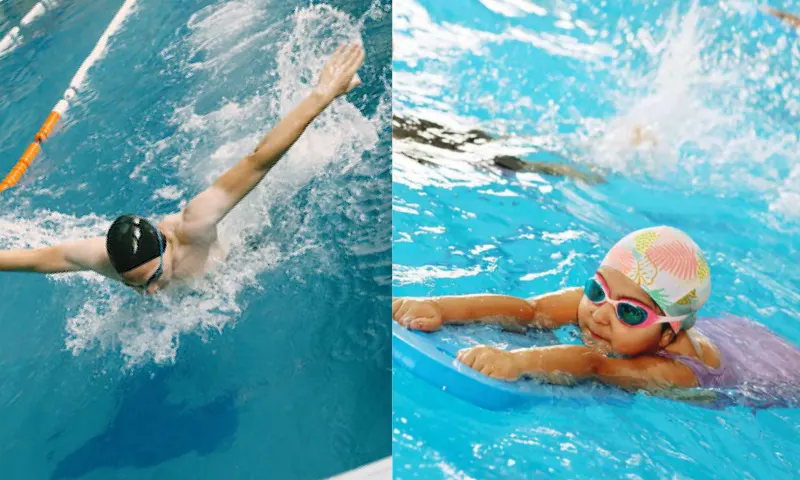
Swimming training generally progresses from basic skills to more advanced levels. At the beginning of the training process, students are acclimatized to the water. In this stage, overcoming the fear of water and learning to enter the water safely are important. Various exercises are performed to enter the water, regulate breathing, and stay comfortably underwater. In later stages, the teaching of swimming strokes begins. Instructors teach the correct form of each technique, breathing, and how to perform body movements in harmony. The swimming training process is not limited to physical skills alone. Factors such as mental focus, balance, and coordination are also of great importance. The student should progress patiently during the training process and gain proficiency at each level.
Learning Swimming Techniques: Correct Form and Efficiency
The most critical part of swimming training is learning the correct techniques. Since each swimming style requires the body to be used correctly and to move efficiently against water, technical errors can reduce performance. Therefore, learning the correct form from the beginning is very important. In freestyle swimming, the body should be kept straight and parallel to the water. The correct entry of the hands into the water, strong push-offs with the legs, and the timing of breathing are important. Backstroke swimming requires moving comfortably on the water without applying excessive pressure to the body. In butterfly stroke, the body moves in a wavy motion, and this technique requires speed and power. In breaststroke, a calm and controlled movement style is adopted. In every swimming style, body movements should be made in a way that offers the least resistance to the water. This allows for more efficient use of water and less energy expenditure. Swimming with the correct technique not only increases physical endurance but also provides speed and efficiency in the water. Therefore, correcting technical errors under the guidance of instructors is important for healthier and more effective swimming.