
The Importance and Function of Stage Lighting
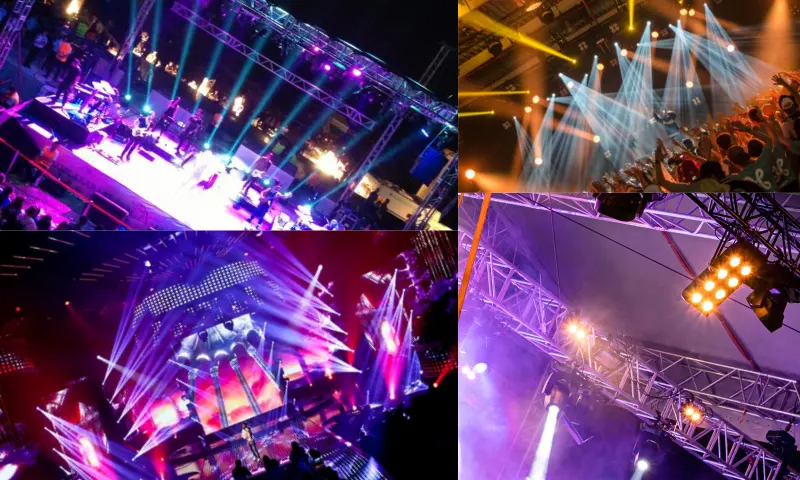
Stage lighting is an important element used in theater, concerts, film, and other performing arts. Stage lighting is used to highlight visual elements on stage, create atmosphere, provide emotional impact, and support the storytelling. Proper lighting can direct the audience's attention, define focal points on stage, and enhance the overall quality of the performance. Additionally, stage lighting can reflect the emotional state of characters, enhance the sense of space on stage, and improve the aesthetic quality of the performance. For information on this topic and to ask your questions, you can check relevant online companies on the internet and conduct a detailed review from there.
Techniques and Equipment Used in Stage Lighting
Various techniques and equipment are used in stage lighting. These include different types of lighting tools such as spotlights, wash lights, effect lights, colored filters, gobos, and moving heads. When designing the lighting, the atmosphere of the stage, the tone of the story, and the emotional state of the characters are taken into consideration. Factors such as the positioning of the lights, color selection, intensity, and focus determine the effect of the stage lighting. Additionally, special effects such as dimming, transition effects, color changes, and moving light effects may also be included in the techniques used in stage lighting.
The Design Process and Application of Stage Lighting
The design process of stage lighting is usually carried out by the show's art director or lighting designer. First, the needs of the stage and the requirements of the performance are determined. Then, the lighting concept and design are created, taking into account the stage plan and visual elements. During the design phase, a stage lighting plan can be created using computer-aided design (CAD) software. After the design is approved, the lighting equipment is installed and adjusted. During the rehearsal process, lighting effects are tested and adjustments are made as needed. Finally, during the performance, the lighting operator controls the lights and runs the programs, thus effectively implementing the stage lighting and enhancing the quality of the performance.