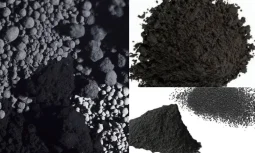
Sustainability and Green Building Design
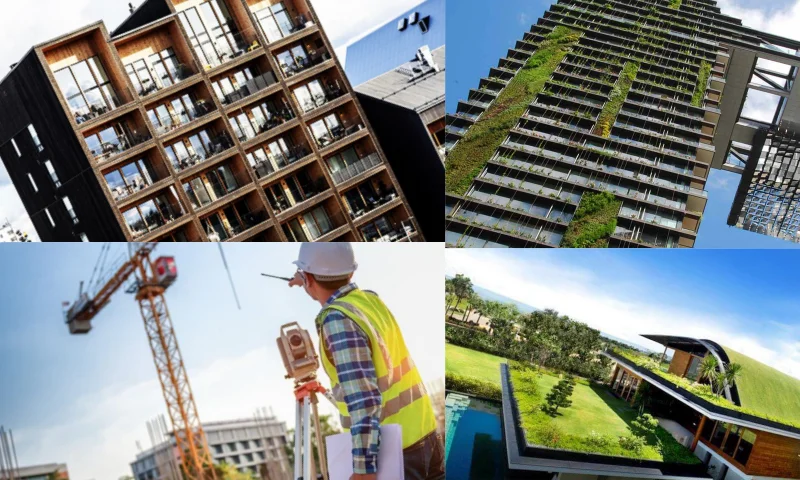
Sustainability is an approach that focuses on using resources effectively and efficiently to meet the needs of the environment, economy, and society today and in the future. Therefore, green building design also aims for sustainability. Green buildings are building designs that support sustainability through elements such as energy saving, water management, use of natural light, use of recyclable materials, and non-toxic building materials. For information on this subject and to ask questions you are curious about, you can look at the relevant online companies on the internet pages and examine them in detail from here.
Renewable Energy Sources and Construction

Renewable energy sources are an environmentally friendly energy source that aims to move towards a low-carbon future. Construction is a sector where energy is used intensively, and renewable energy sources can encourage change in this sector. For example, solar panels placed on the roofs of buildings can be used to generate electricity from solar energy. Wind turbines can be placed around buildings and convert wind energy into electrical energy for use.
Low Carbon Building Materials
Building materials contribute to many factors such as the durability, energy efficiency, and longevity of the building. However, traditional building materials are often known for their high carbon footprints. Therefore, low-carbon building materials are becoming increasingly popular. Low-carbon building materials include recycled materials, natural materials, and materials produced from renewable resources.
- Wood Materials: Wood materials are among the most popular low-carbon building materials. Wood materials are considered an energy-efficient and renewable resource. At the same time, wooden structures are lighter and more durable than traditional building materials.
- Green Concrete: Green concrete is a calcium silicate-based building material and emits fewer greenhouse gases than traditional concrete. The raw material for green concrete is calcium silicate powder obtained from industrial waste instead of cement.
Low-carbon building materials help build a sustainable future in the construction industry. The use of these materials helps reduce energy consumption and greenhouse gas emissions, while also helping to conserve natural resources and reduce environmental pollution.