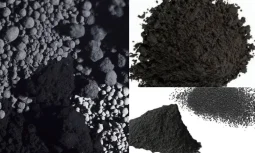
What is PAC LV Used For?

What is the Role of PAC LV in the Water Treatment Process?
PAC LV is a coagulant widely used in water treatment processes. It is used to effectively remove suspended solids, microorganisms, and other pollutants from water sources. Due to its low molecular weight, PAC LV improves the physical and chemical properties of water, thus increasing treatment efficiency. It is particularly preferred in drinking water and wastewater treatment because it can work effectively even at low pH levels. For detailed information about PAC LV, you can visit https://aciselsan.com.tr/urunlerimiz/sondaj/.
What Should Be Known About the Environmental Effects of PAC LV?
PAC LV plays a critical role in the coagulation and flocculation stages of the water treatment process. Coagulation allows small particles in the water to come together and form larger agglomerates. In this stage, it makes the negatively charged particles in the water positively charged, facilitating their union. In the flocculation stage, these large particles gather on the surface of the water, becoming easily separable. Thus, the clarity of the water increases, and the concentration of pollutants decreases. This process allows for cleaner water to be obtained with less energy consumption in water treatment plants. The environmental effects of PAC LV are directly related to the effectiveness of the water treatment processes in which it is used. When used correctly, it contributes to improving water quality in water treatment plants. However, excessive use or incorrect application can pollute water sources. The discharge of PAC LV into wastewater can affect the environmental balance. Correct dosage and application methods are very important when using PAC LV. Since the aluminum in PAC LV can accumulate in the aquatic environment, the effects of this situation on the ecosystem should be carefully monitored. PAC LV should be used consciously to minimize its environmental impacts while improving water treatment processes.