
What is a Meteor Shower?
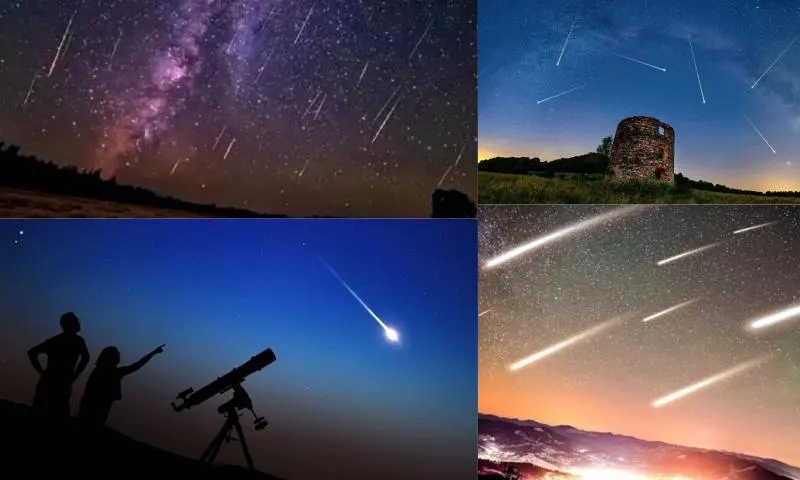
Meteor showers are impressive natural phenomena characterized by a series of bright light trails seen in the sky. These light trails are a visual reflection of the burning events that occur when meteoroids enter the sky and friction with the atmosphere. Each meteor shower occurs when Earth's orbit passes through a point strewn with dust particles or small meteoroids. Although this event is also known as a shooting star, they are actually small rocks entering Earth's atmosphere and burning to emit light. Meteor showers can sometimes last for a few hours, and sometimes they can continue for several days, and they can generally be observed a few times a year. For astronomers and sky observers, these events offer an exciting spectacle. For information on this topic and to ask your questions, you can check out relevant online firms on web pages and review them in detail from there.
Types and Timing of Meteor Showers
Meteor showers are concentrated at specific times and locations. Each meteor shower begins when particles from a comet or asteroid enter Earth's atmosphere. The Perseid meteor shower peaks every year in August, and this is one of the most watched meteor showers of the year. The Perseids are a meteor shower formed from the remnants of a comet and usually become most intense around August 10-15. Other popular meteor showers include the Quadrantids, Geminids, and Leonids. The peak times of these showers fall on different periods; for example, the Geminid meteor shower is seen in December, and the Quadrantid in January. The intensity of meteor showers usually reaches its highest level at the peak moment of the shower, and up to 100 meteors can be seen per hour.
Tips for Watching Meteor Showers
Watching meteor showers is a fascinating experience for stargazing enthusiasts. However, some factors need to be considered for the best observation experience. First, a dark area away from city lights should be preferred. Natural parks or open areas are ideal places for observations away from light pollution. Also, before the meteor shower reaches its peak, your eyes need to adjust to the sky, which requires about 20-30 minutes. Patience is important as meteor showers are usually seen at irregular intervals. Watching with the naked eye gives the best results instead of using a telescope because meteors can spread to different parts of the sky. During the peak period of the meteor shower, it is possible to see more than one meteor per minute, offering a captivating visual feast for viewers. Meteor showers are an extraordinary natural event for sky observers. These events, known as shooting stars, offer an impressive spectacle to be watched under a dark sky. These showers, which occur at specific times, provide an unforgettable experience when observed in the right environment. Several meteor showers are seen each year, each offering a different excitement. Meteor showers open a window into the mysterious world of astronomy, and at the same time, they are an important phenomenon that increases people's curiosity about nature and the universe.