
The First Steps in Space Exploration

Space exploration is one of humanity's greatest adventures. This journey, which began in 1957 with the launch of Sputnik 1 by the Soviet Union, carried humanity's curiosity about the sky to a completely different dimension. Then, in 1961, Yuri Gagarin became the first human to travel to space in the Vostok 1 spacecraft. These developments culminated in the landing of Apollo 11 on the Moon in 1969. The moonwalks of Neil Armstrong and Buzz Aldrin on the lunar surface showed that humanity could reach beyond our planet. With the advancement of technology, humans have sent probes to Mars, observed the universe with the Hubble Space Telescope, and begun ongoing research on the International Space Station (ISS). Today, space exploration has become more exciting than ever with projects like space tourism and plans for human journeys to the Moon and Mars. For information on this subject and to ask your questions, you can visit the relevant online companies on the internet pages and review them in detail.
Space Exploration in the Future: Mars and Beyond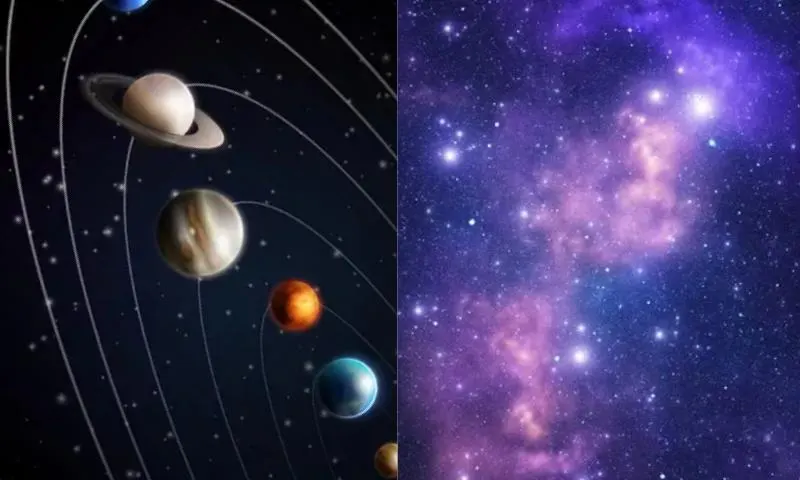
In the future, space exploration will expand further with human journeys to Mars and the goal of reaching beyond. Organizations like NASA and SpaceX are working on projects aimed at sending humans to Mars. Mars is seen as one of the greatest hopes in humanity's search for a second home. Elon Musk's Starship project, in particular, is generating great interest with its goal of establishing permanent human settlements on Mars. In addition, the colonization of the Moon is seen as an important step. NASA's Artemis program aims to send humans back to the Moon and establish a sustainable base there. The Moon could serve as a transit point for both scientific research and journeys to Mars. Furthermore, there is great potential in areas such as space mining. Extracting precious minerals from asteroids could offer a significant opportunity to solve resource scarcity on Earth.
Contributions of Space Exploration to Humanity
Space exploration not only helps us understand the universe but also has a significant impact on our daily lives. Communication, weather forecasting, and GPS systems have been improved thanks to satellite technologies. Many technologies developed during space research have been used in medicine, engineering, and energy fields, improving human life. For example, MRI technology and water purification systems, developed thanks to space exploration, make life easier for millions of people on Earth today. Moreover, space exploration carries great hope for the future of humanity. In the face of problems such as global warming, natural disasters, and resource scarcity, research into life on other planets is of great importance for the long-term sustainability of humanity. Scientists believe that establishing space colonies can ensure the continuity of the human race in the future. Space exploration continues to expand humanity's horizons. Thanks to technological advancements and international collaborations, the human presence on the Moon, Mars, and more distant planets is expected to increase in the coming years. Who knows, maybe one day we will find a new home among the stars!