
Feast in the Sky: What You Need to Know About Meteor Showers

Meteor showers are a fascinating natural phenomenon observed in the sky. These bright streaks of light, resulting from the burning of meteoroids entering Earth's atmosphere, can typically be observed within a specific date range. Known as falling stars, meteor showers offer an unforgettable experience for astronomy enthusiasts and skywatchers.
Meteor Showers: Origin and Causes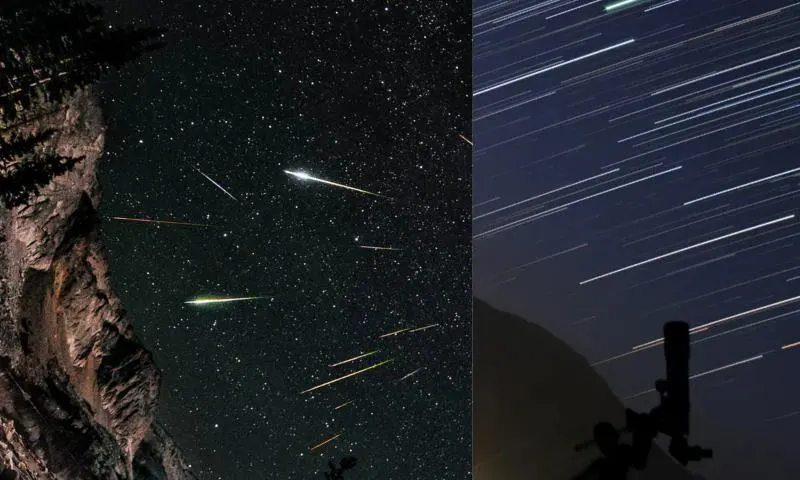
Meteor showers occur as small meteoroids enter Earth's atmosphere and burn up at high speed. These meteoroids often originate from comets or asteroids. As they enter Earth's atmosphere, they heat up due to friction and burn, causing bright streaks of light. Meteor showers can be observed more intensely in specific regions of the world at certain times.
Dancing in the Sky: How to Observe Meteor Showers
Meteor showers are an excellent opportunity to witness a natural feast in the sky. The best times to observe these events may be during the activity of a specific meteor shower or comet. A moonless night, a location away from artificial lights, and observation tools like telescopes or binoculars, if possible, can be used to better observe meteor showers. Due to Earth's rotation, early morning hours are generally the most suitable for observing meteor showers. Meteor showers are a great opportunity for those who want to experience the magic of natural phenomena in the sky. This visual feast offers unforgettable moments to astronomy enthusiasts and those who simply want to witness the beauty of the night sky.