Essential Steps to Start Making Ceramics at Home
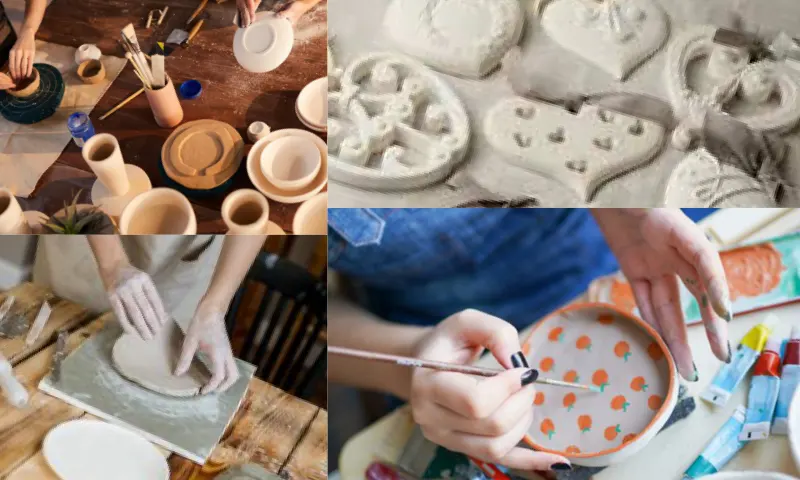
Making ceramics at home is a great opportunity to develop manual skills, as well as being a creative hobby. Learning the basic steps required to get started is important for a successful ceramics-making process. First, you need to acquire the necessary materials and equipment for making ceramics. These materials include ceramic clay, a workbench, a kiln, various tools (sculpting tools, sponges, brushes, etc.), and protective equipment. The type and quality of the clay directly affect the results of your ceramic work, so be sure to choose a good quality one. Before you start working with clay, it would be beneficial to create a design. This design provides a plan for what your ceramic project will look like and guides your work. Clay is easy to shape as it is soft and flexible at the beginning. However, you should be careful during the shaping process and work out the details clearly. During the shaping stage, it is also necessary to pay attention to the drying process of the clay, as premature drying can cause cracks. Finally, you should wait for your ceramic piece to dry. The drying process affects the quality and durability of the ceramics. After the clay has completely dried, the ceramic piece must be fired. Firing makes the ceramics permanent and gives them the desired hardness. After the firing process is complete, you can apply decorative treatments or glaze to your ceramics. Glaze gives color and shine to your ceramics, and also provides waterproofness. You can look at related online companies on web pages to get information on this subject and ask your questions, and examine them in detail from here.
Common Techniques and Methods in Home Ceramics Making 
There are various techniques and methods that can be used for making ceramics at home. These include hand-building techniques, working on a potter's wheel, and casting methods. Hand-building techniques are the simplest and most accessible methods. These techniques involve shaping and detailing the clay by hand. They are generally used when sculpting, making pottery, or producing simple ceramic objects. Hand-building techniques are an ideal method for expressing personal creativity and allow for various formations. Working on a potter's wheel involves shaping ceramics by rotating them on a wheel. This technique is particularly suitable for those who want to make symmetrical and uniform objects. When working on a wheel, the rotating motion of the clay makes shaping easier and allows you to achieve more precise results. However, using a potter's wheel requires a certain skill and experience. Making ceramics on a wheel requires patience and practice during the learning process. The casting method involves removing ceramics from a specific mold. This technique allows for the rapid production of specific shapes and patterns. During the casting process, liquid clay is poured into the mold and then dried. The casting method is a suitable option, especially for those who want to produce in series. Aesthetic and functional ceramics can be produced with casting techniques.
Ceramic Care and Protection Methods
It is important to apply the correct care and protection methods to ensure that ceramics made at home are long-lasting and durable. First, you should be careful when cleaning your ceramics. Generally, gently cleaning with a slightly damp cloth or sponge will be sufficient. Using harsh chemicals or abrasive cleaners can damage the surface of the ceramics and cause their colors to fade. To protect your ceramics, you should keep them away from direct sunlight and moisture. Sunlight can cause the colors of ceramics to fade, while moisture can lead to the deterioration of ceramics over time. In addition, it is important to protect your ceramic items from impacts. Especially delicate and thin ceramics can break as a result of falling or bumping. Therefore, it is best to store your ceramics safely and properly. Finally, regularly checking and maintaining your ceramics ensures their longevity. When small cracks or damages are observed, they should be repaired immediately. Special ceramic adhesives can be used for small cracks. By protecting your ceramics and performing regular maintenance, you can ensure that the ceramics you make at home remain beautiful and sturdy for a long time. Learning the basic steps, trying various techniques, and performing proper maintenance allow you to enjoy this creative hobby. As both a creative and practical activity, ceramics making is a great opportunity for personal satisfaction and aesthetic pleasures.